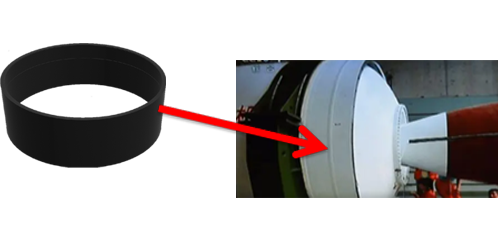
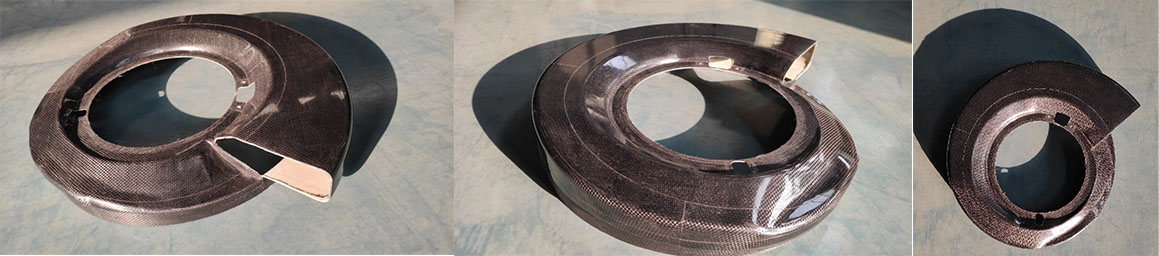
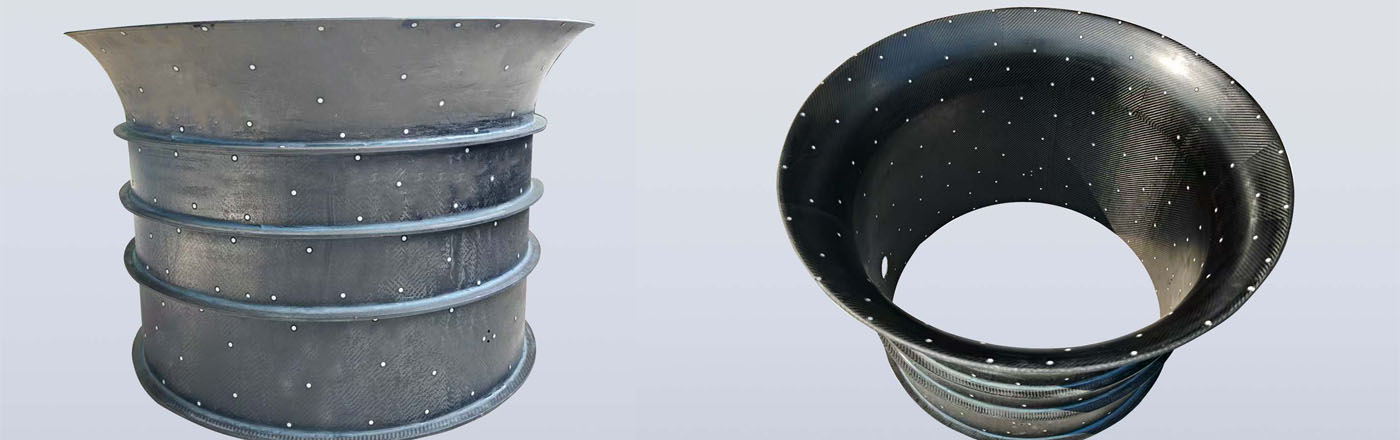
The composite skirt for the solid rocket motor was developed under the commission of Aerospace Sanjiang Group. With a diameter of 3,552 mm, it is part of the largest solid rocket motor model in China currently, and the main body has undergone a test run.
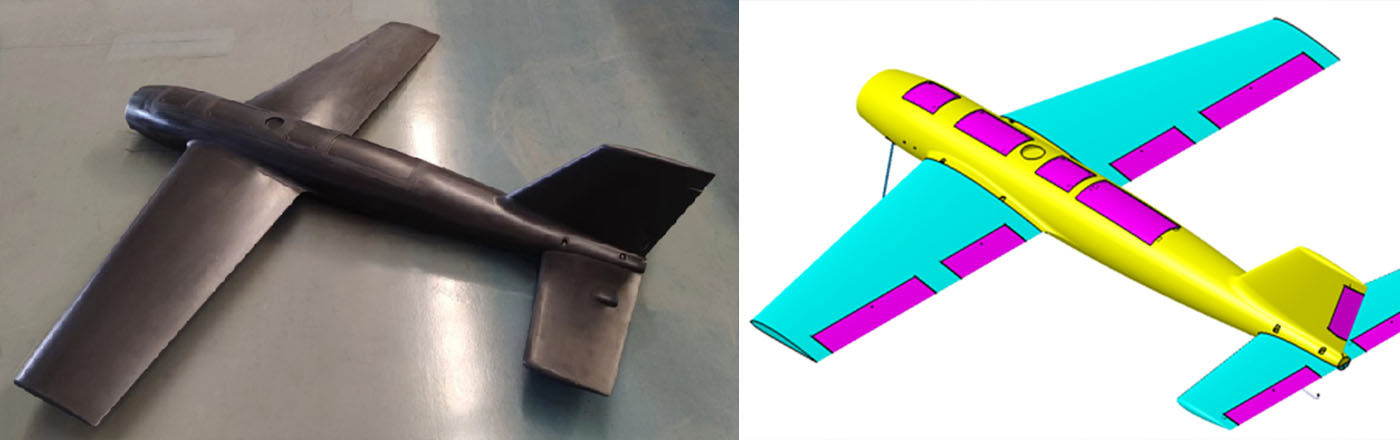
The annual demand for medium-speed target drones is approximately 1,000 units. Our company has jointly developed this product with Shandong Feisi Intelligent Technology Co., Ltd., which is a major supplier of military target drones.
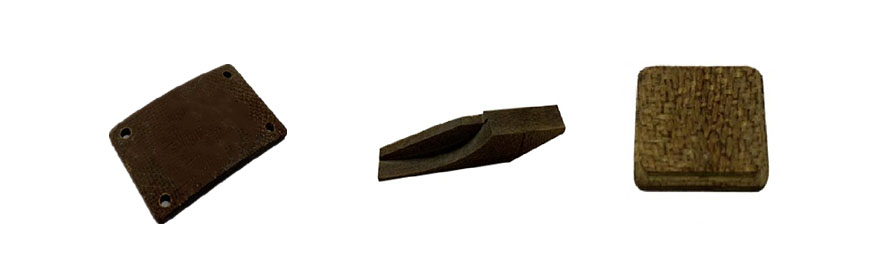
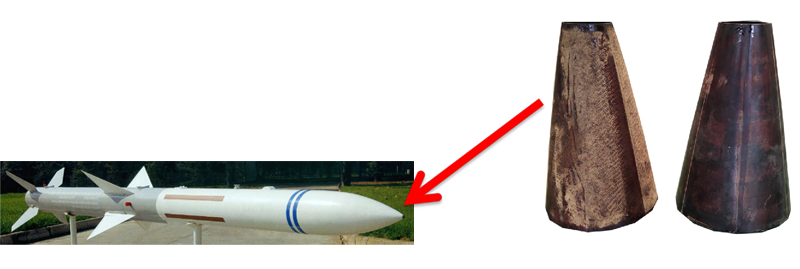
High-temperature resistant polyimide products are currently high-value-added products in the composite material industry. Our company is the only private enterprise in China that has made breakthroughs in and mastered this technology. This project is jointly developed with Shandong Industrial Ceramics Research and Design Institute.
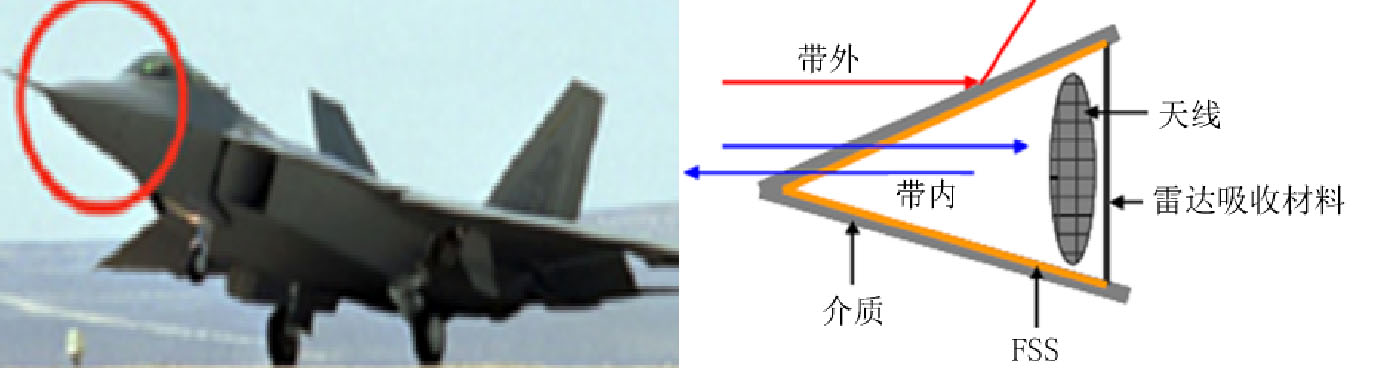
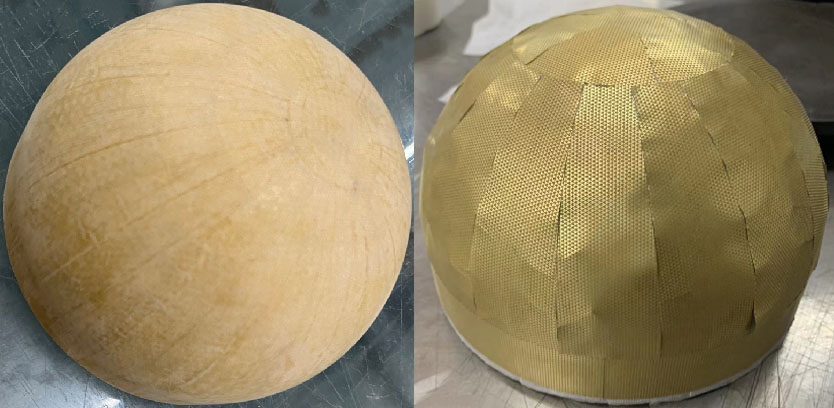
The Frequency-Selective Surface (FSS) radome enables the radome to possess frequency-selective functionality. Specifically, it provides band-pass transmission characteristics for the radar's operating frequency band, while altering the Radar Cross Section (RCS) characteristics outside the radar's operating frequency band, thereby achieving out-of-band stealth.
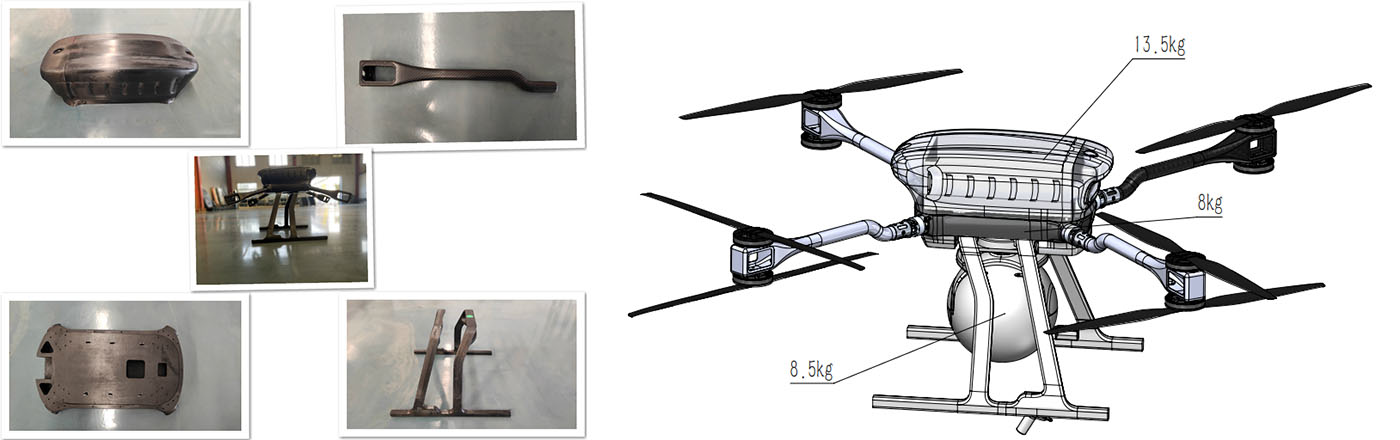
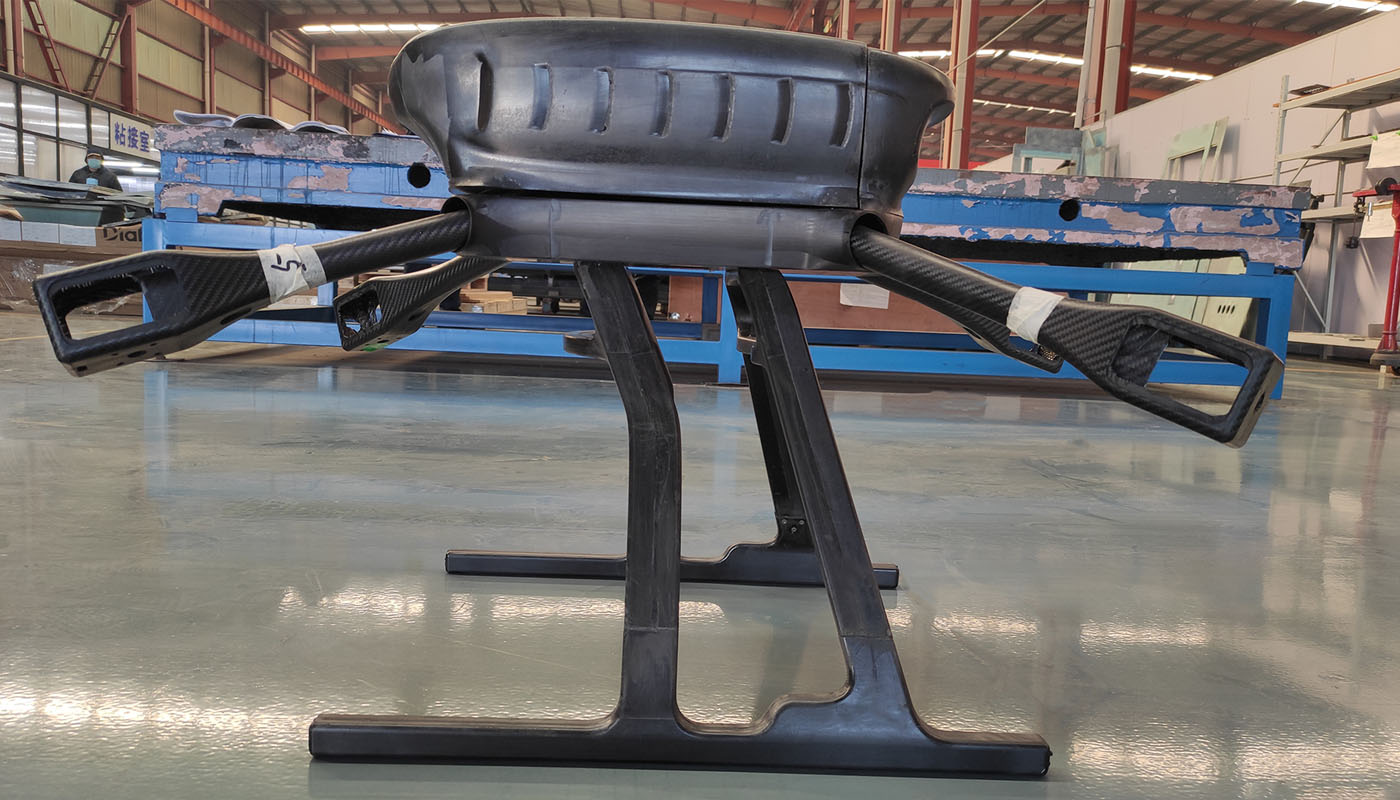
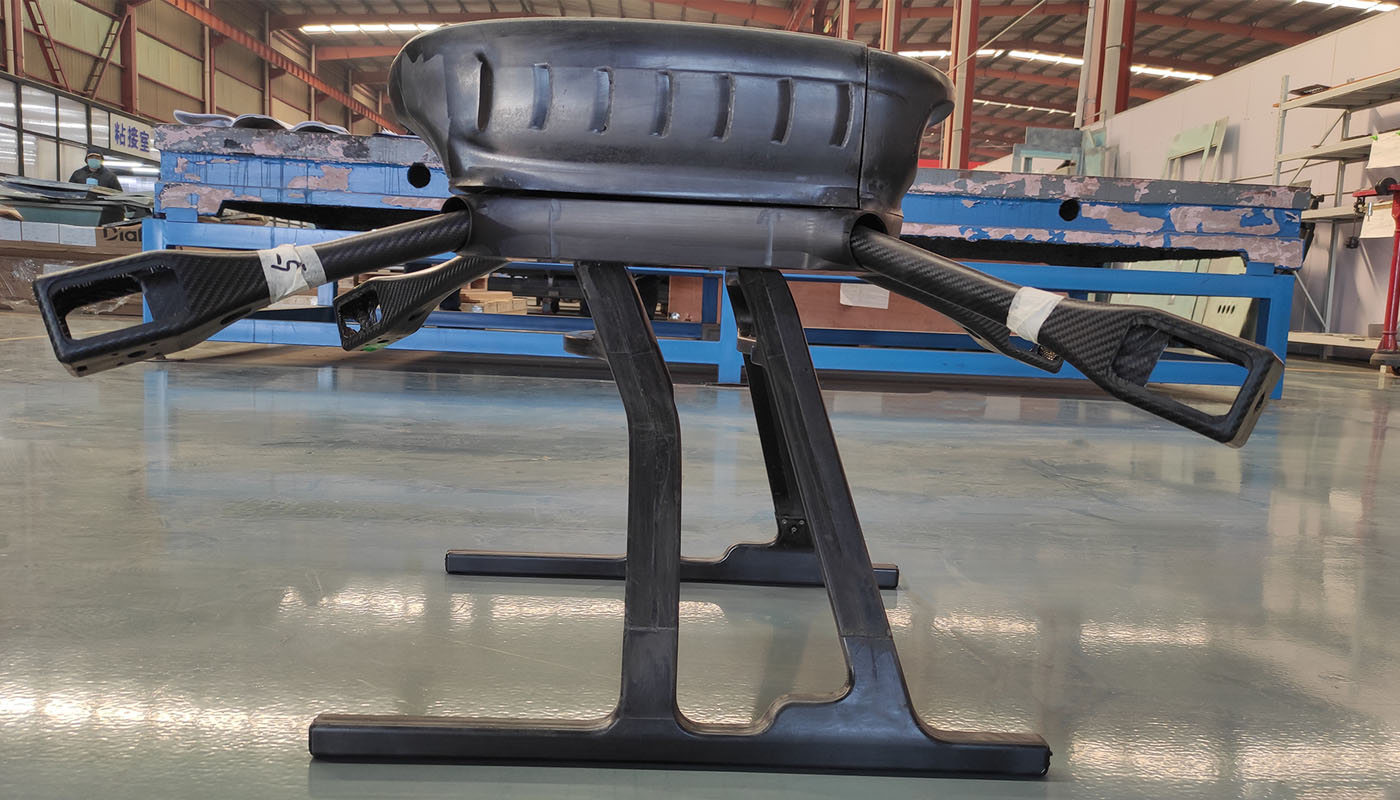
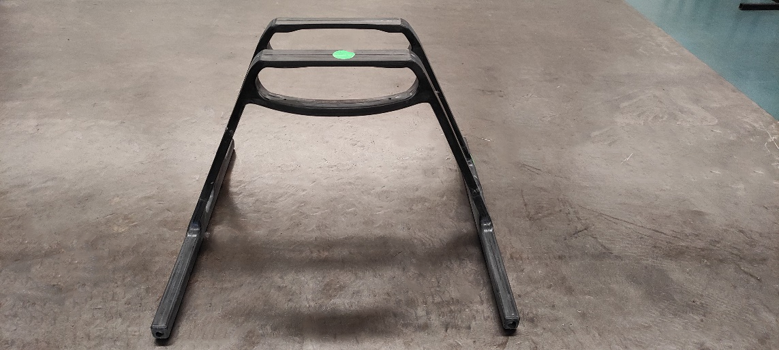
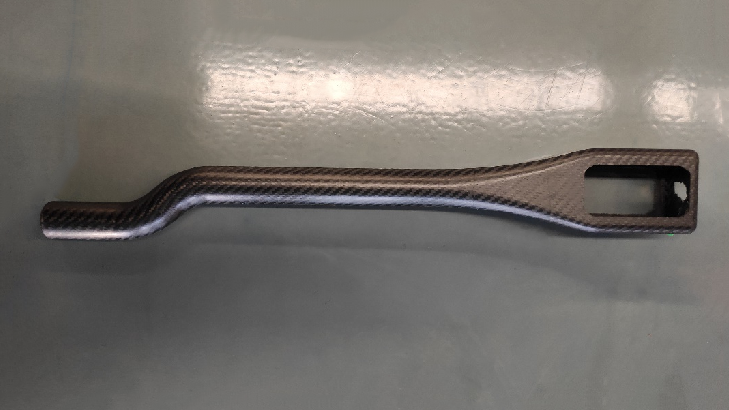
The support legs and support arms of the UAV adopt an integrally formed hollow structure. This design not only meets the composite technical requirements for stiffness and strength but also reduces the weight to the greatest extent.
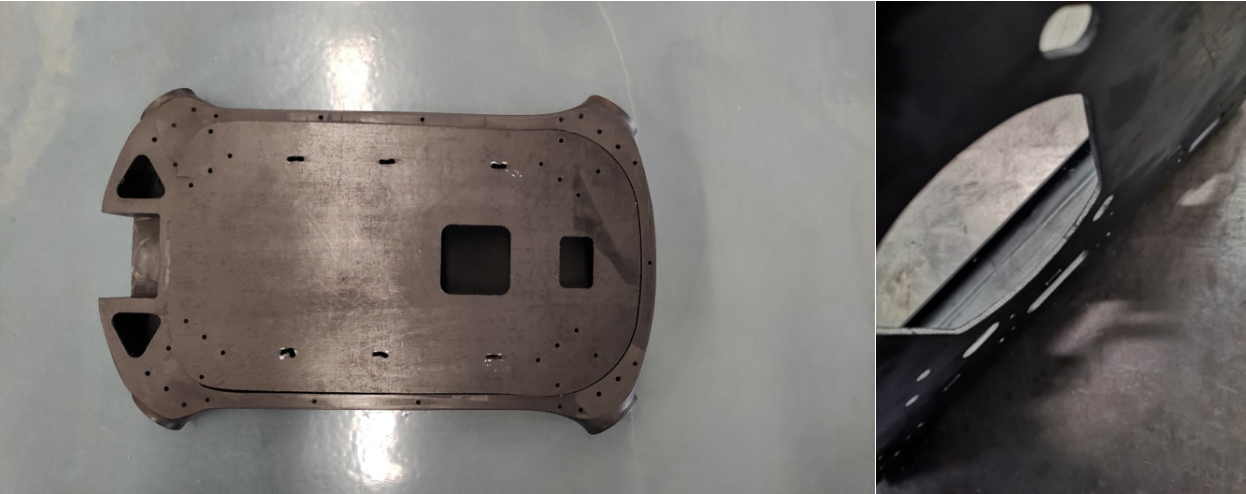
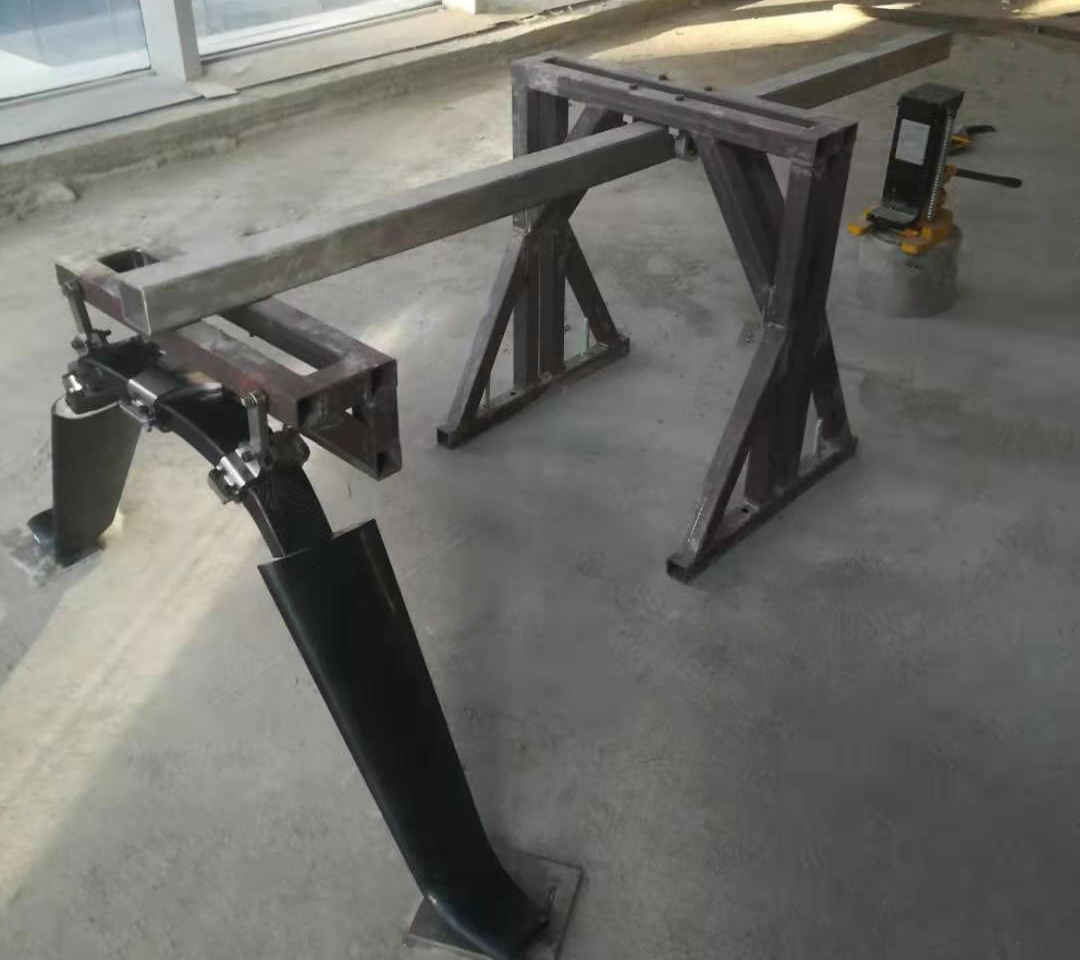
Dimensional Specification: Manufactured in accordance with the mold;
Product Weight: ≤ 3 kg (including the boot);
Load-Bearing Requirement: ≥ 600 kg (static load);
Deformation Requirement: Under a static load pressure of 600 kg, the displacement of the single-side landing point shall be more than 3 cm and not exceed 5 cm;
Service Life Requirement: Capable of withstanding 2,000 cycles of static force tests;
Static Force Test Requirement: Under a pressure of 600 kg, the landing gear shall be free from abnormal noise, damage, plastic deformation, and fracture. After unloading, the deformation of the landing gear shall be recoverable.
For this structure, crushed carbon fiber prepreg is first used to fill the triangular area. After filling, compaction, and leveling, a layer of glass fiber fabric is covered. Through the combined use of different materials and the hybrid fiber molding technology, the carbon fiber direction of the main load-bearing structure is straightened, preventing the generation of concentrated strain points under impact.
Meanwhile, local areas are reinforced, as shown in the range in the figure below:
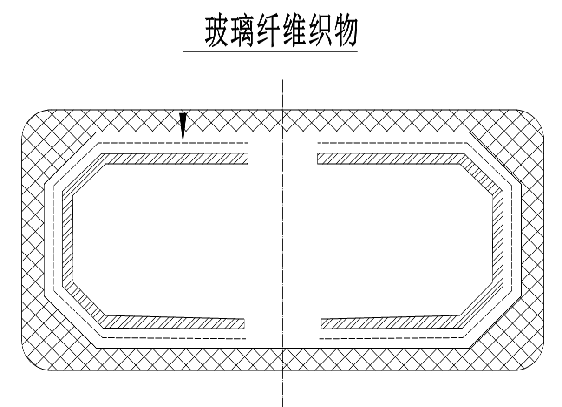
While increasing the strength of this local area, good elasticity is still maintained.
UAV Development and Design Based on Carbon Fiber
UAV Load Requirements
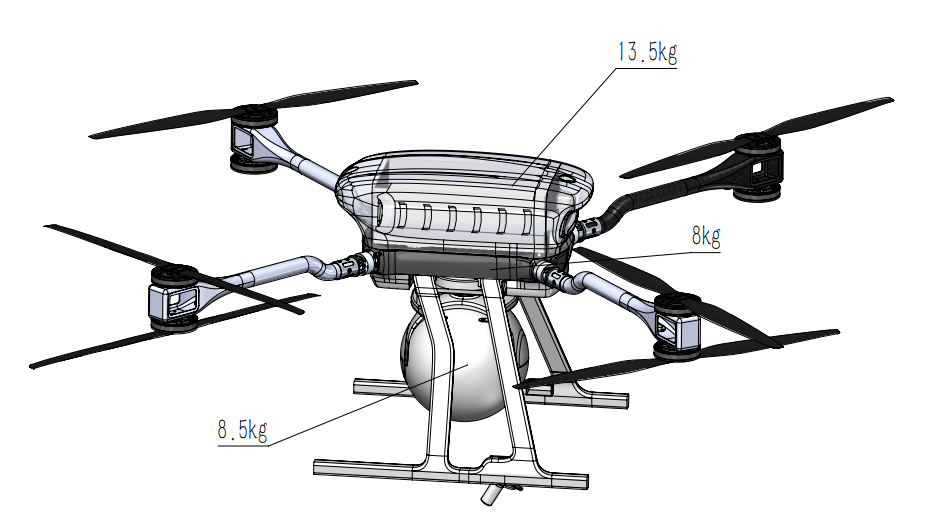
Deformation shall not exceed 8 mm under a static load of 30 kg.
Under a static load of 22 kg, the four holes in the beam part shall remain undeformed when an additional static load of 8 kg is applied.
When an 8 kg static load is applied to the crossbeam part, the landing gear shall not be damaged after being dropped from a certain height.
The connecting part of the landing gear shall undergo obvious deformation under the above-mentioned load conditions.
Fix one end, apply an upward load of 8 kg to the motor mounting part: deformation shall not exceed 2 mm, and the motor mounting holes shall not be damaged.
Fix one end, apply a left-right load of 8 kg to the other end: deformation shall not exceed 2 mm.
The middle shell shall have a certain rigidity. After all components are installed:
Fix the middle position of the middle shell, apply an 8 kg load to each of the four arm motors: deformation at the motor end shall not exceed 3 mm.
Fix the middle position of the middle shell, apply an 8 kg opposite circumferential load to each of the motors on two adjacent arms: deformation at the motor end shall not exceed 3 mm.