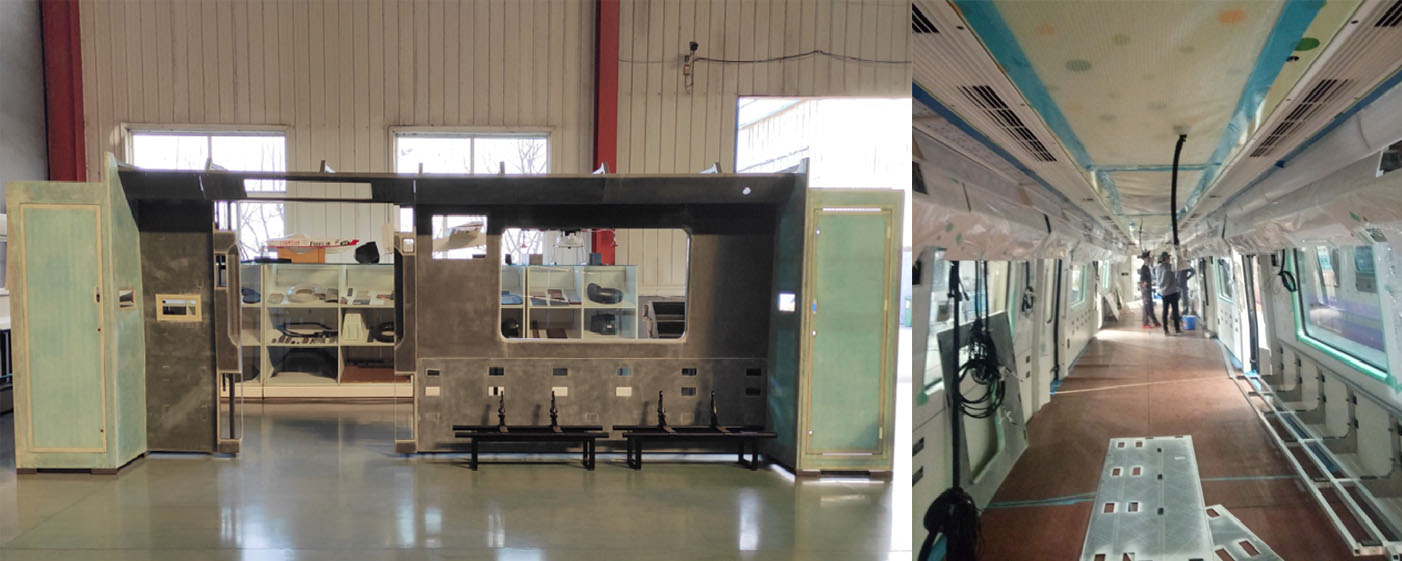
Independently designed and completed, it adopts a glass-carbon hybrid structure and is based on autoclave co-curing integrated molding technology. Compared with aluminum alloy, it reduces weight by more than 50%, while also having better rigidity, strength, environmental protection and fire resistance. For this project, there are 255 units per train, with a total of 23 trains delivered, and the production cycle of a single train is 6 days.
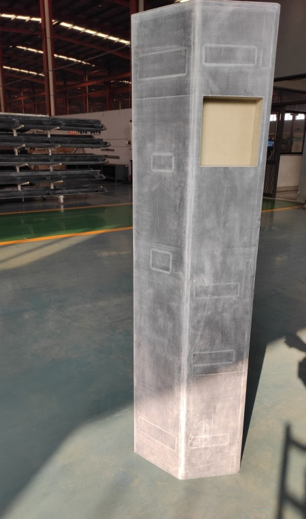
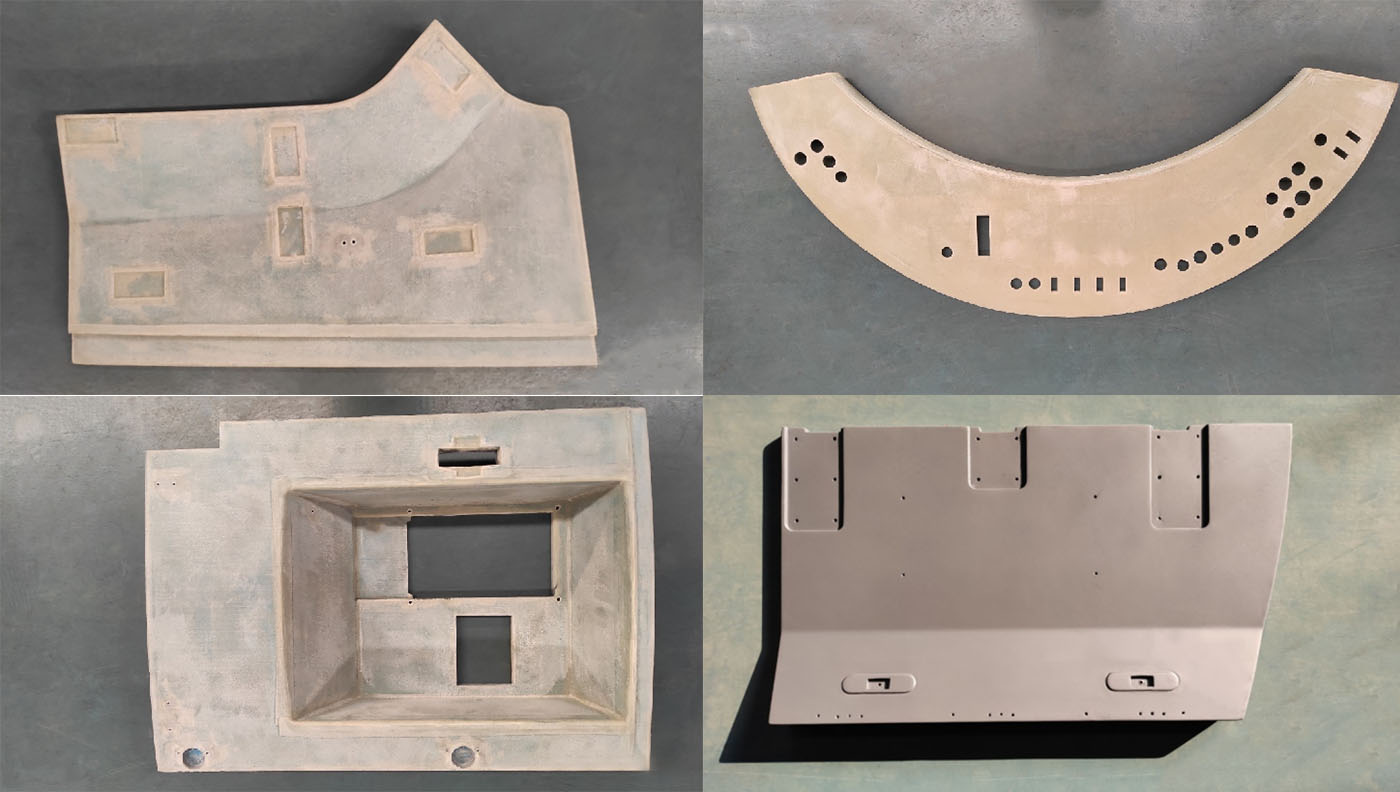
Side Top: Glassy Carbon Prepreg Hybrid Structure, straightness < 1mm/m, overall thickness 1.5mm, local grid reinforcement, 47% weight reduction compared with the hand-laid FRP (Fiberglass Reinforced Plastic) process
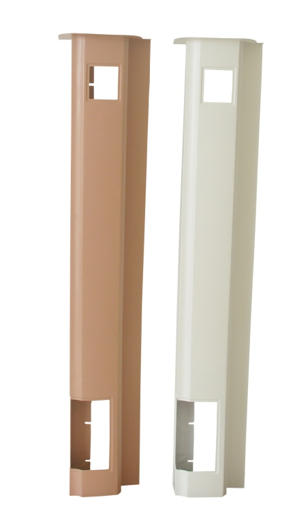
Door Pillar: Glassy Carbon Prepreg Hybrid Structure, with an overall thickness of 1.5mm. The back is reinforced with a grid structure, and it adopts co-curing integral molding, achieving a 47% weight reduction compared with the hand-laid FRP (Fiberglass Reinforced Plastic) process.
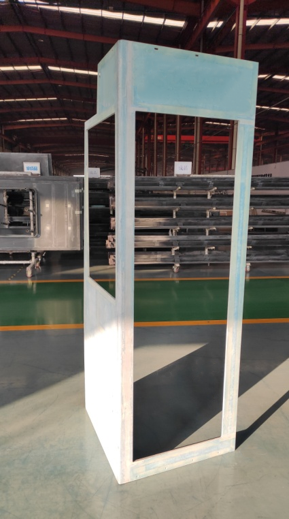
Partition Composition: PET Sandwich Composite Panel, with an overall thickness of 12mm. Compared with FRP (Fiberglass Reinforced Plastic) materials, it achieves a weight reduction of more than 50%, while having better rigidity and strength, as well as superior environmental protection and fire resistance performance.
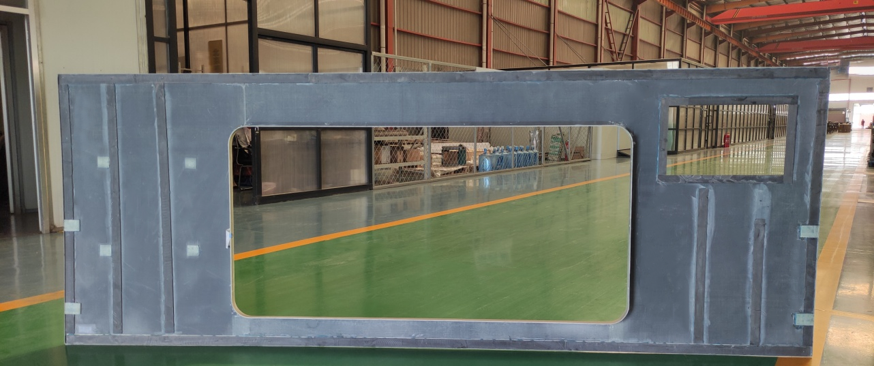
Side Wall Panel: Glassy Carbon Prepreg Hybrid Structure, with an overall thickness of 1.5mm. The back is reinforced with a grid structure.
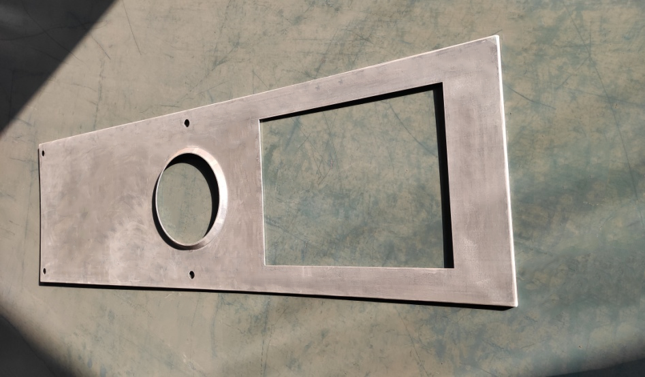
Middle Roof Panel: Glassy Carbon Prepreg Hybrid Structure, with an overall thickness of 1.5mm. The back is reinforced with a corrugated structure.
Product Showcase – Vehicle Skirt Panel Project in Melbourne, Australia
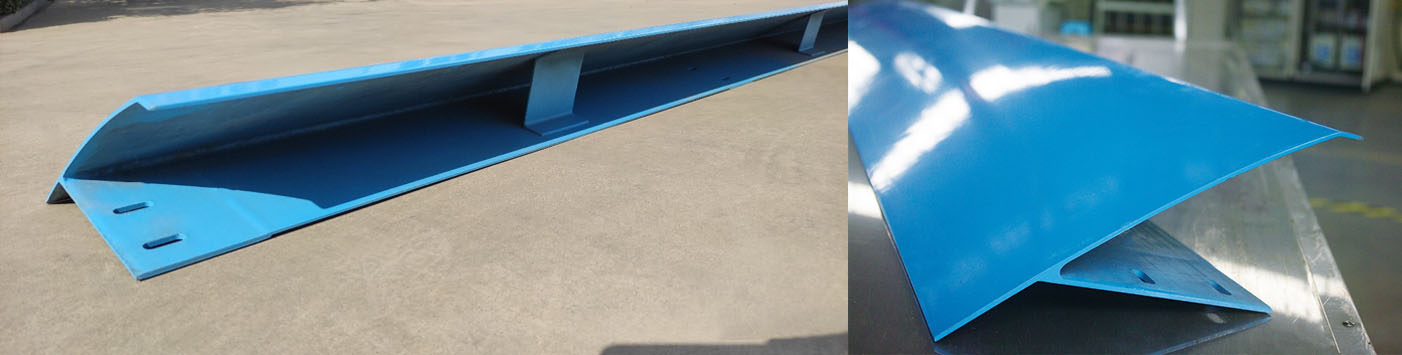
For this project, there are 98 units per train, with a total of 65 trains, and the production cycle is 7 days per train.
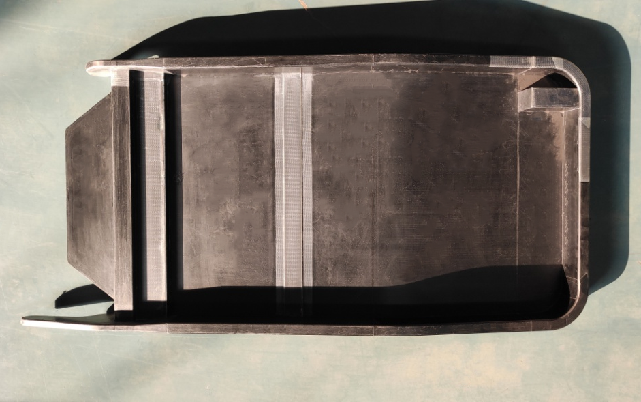
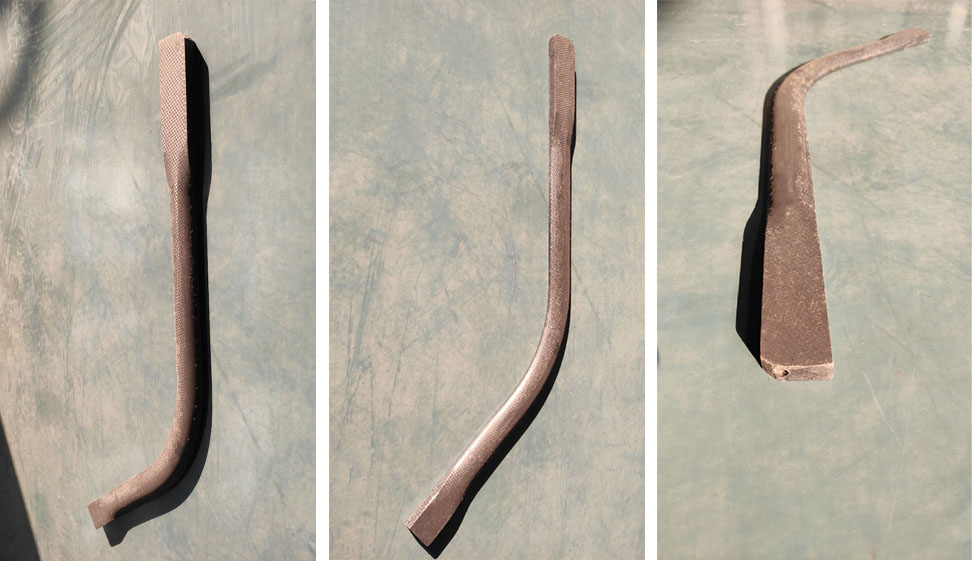
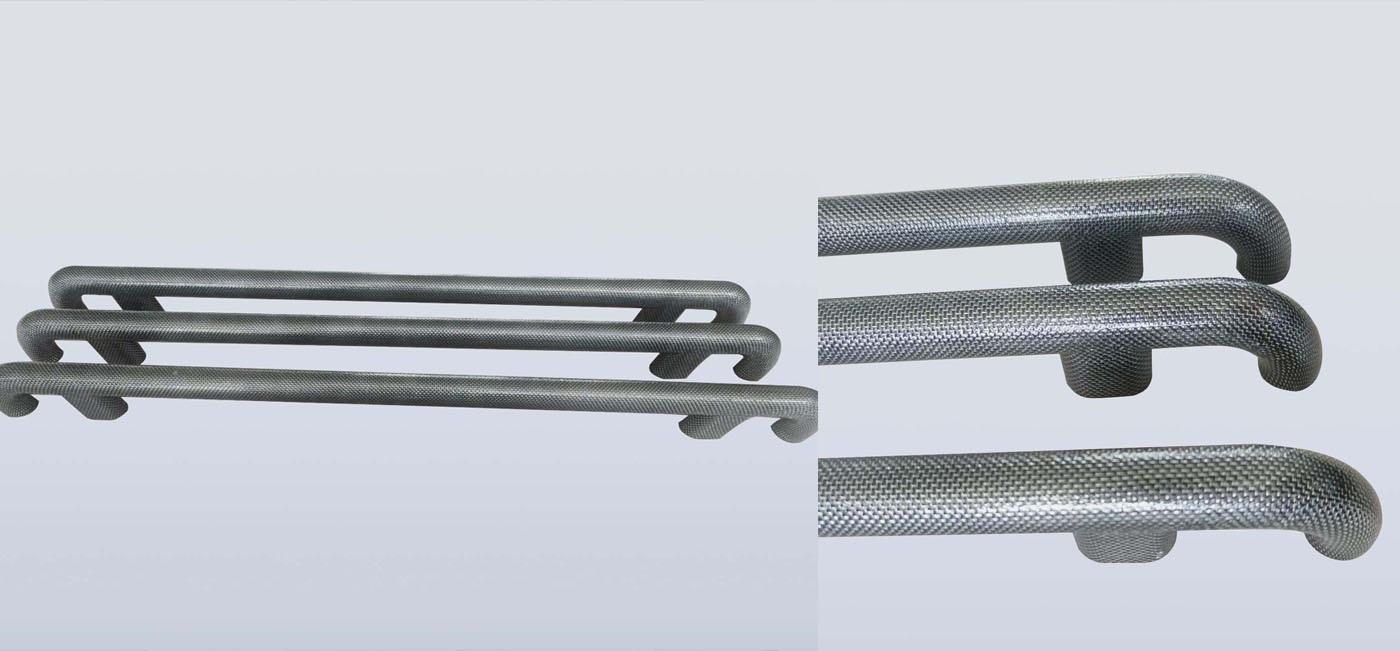
High-speed rail seats were originally made of aluminum alloy. To further reduce weight, they are now manufactured using a material system of carbon fiber/glass fiber/flame-retardant epoxy resin. Through design optimization: the seat backrest is made into an integrated structure; the cross-sectional moment of the backrest adjustment plate is appropriately increased; additional structures are added to the bent pipe parts to improve torsion resistance; and a hollow manufacturing process is adopted. For reference, the weight of the corresponding part in an aircraft seat is approximately 0.8kg. Since the railway industry has higher requirements for fire resistance and restricted/prohibited substances than the aviation industry, and in addition, to control costs, there are differences in the materials used, the weight of this component is expected to be controlled at around 1.3kg.
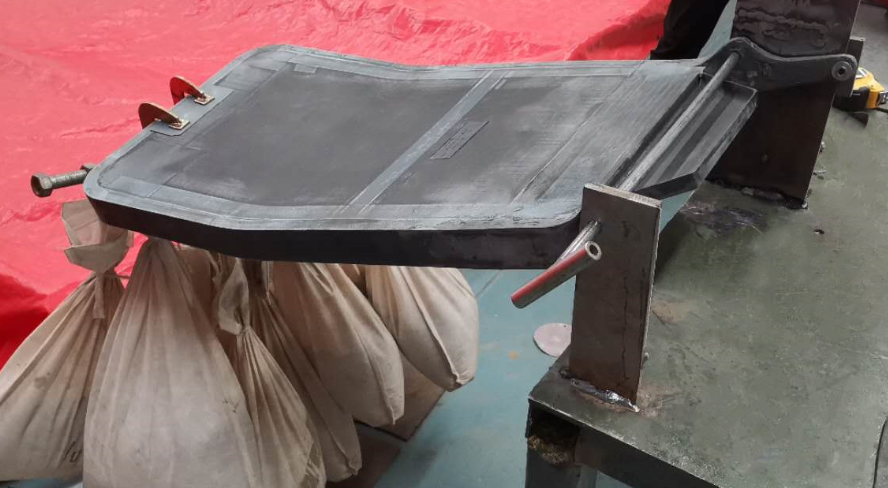
The test results verify the following conclusions:
When the applied pressure is less than 1000N, the failure index is less than 1, and the seat will not be damaged;
The maximum failure occurs at the junction of the U-shaped cavity and the solid shaft hole, with a failure index of 0.9656, and the seat will not be damaged;
The maximum failure index at the edge of the shaft hole is 0.9, and the seat will not be damaged;
When the height difference between the two vertical edges of the seat does not exceed 80mm, the seat will not be damaged.
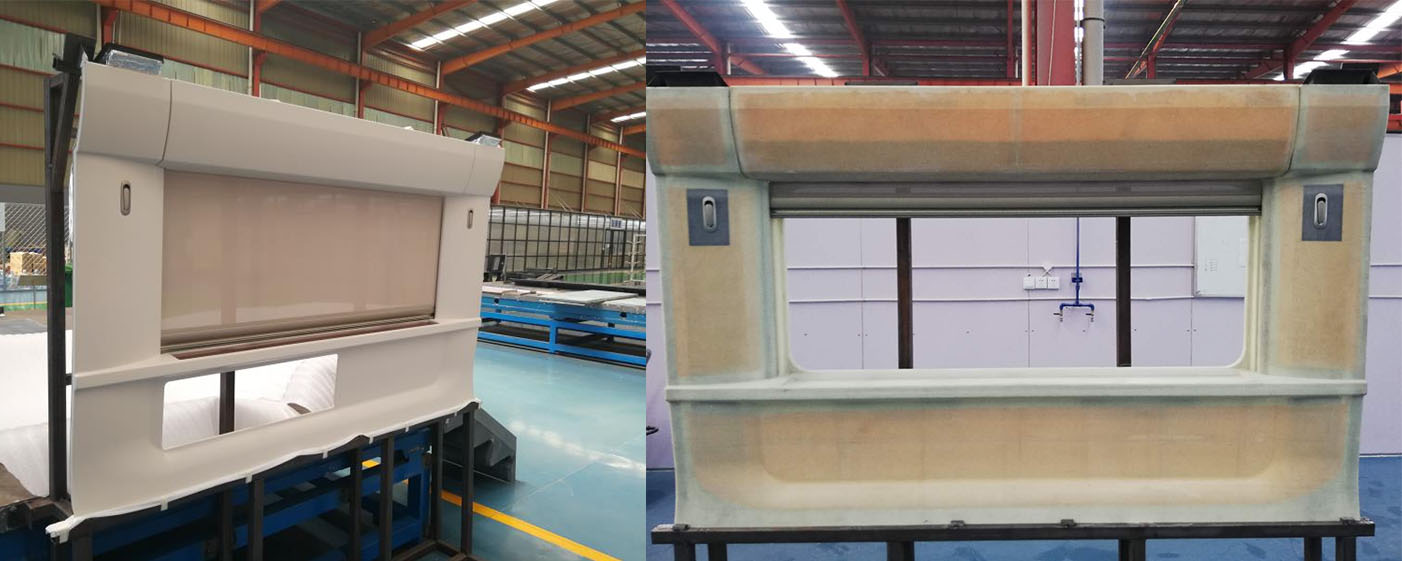
The main body of the side window is laminated with glass fiber/flame-retardant epoxy resin, with an average thickness of 2mm. The local area is reinforced with carbon fiber, and the wall surface under the window adopts a foam interlayer. The curtain slide rail is manufactured through one-time molding.
High-Speed Rail Bogie
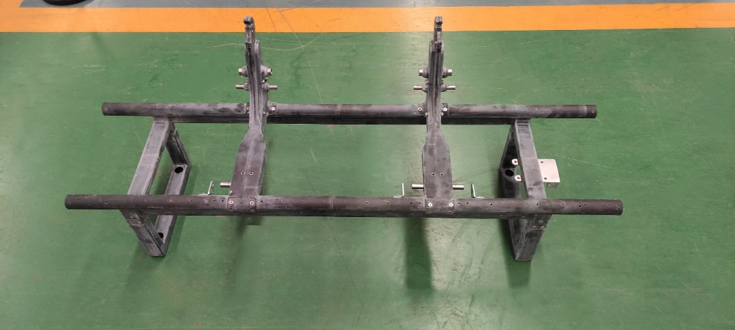
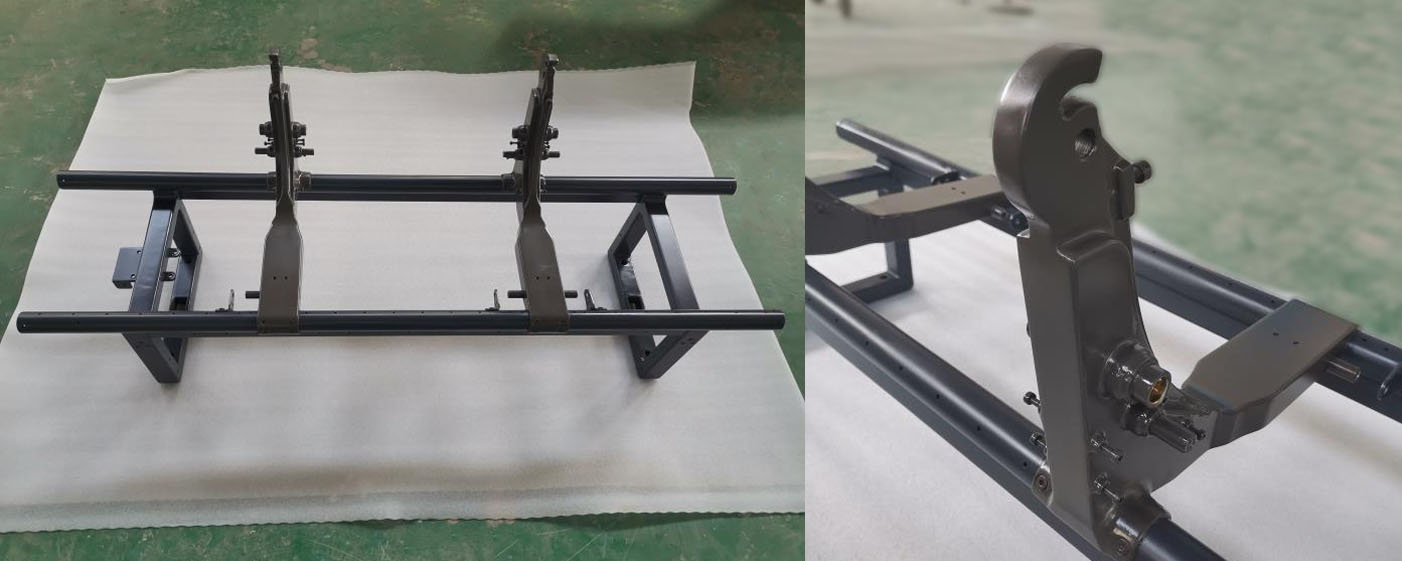
For the composite material structure adopted in the high-speed rail bogie, its weight can be controlled at approximately 3.7 kg. This structure needs to be equipped with metal inserts, and the total weight including the inserts can be controlled at around 5 kg.
A hollow structure is adopted. Through structural design, it is necessary to ensure strength and rigidity while ensuring the process is easy to implement, thereby controlling costs.
While achieving weight reduction with the composite material structure, it is also required to control costs and meet the requirements of mass production.
This project has been used as a teaching case in numerous composite material forums.
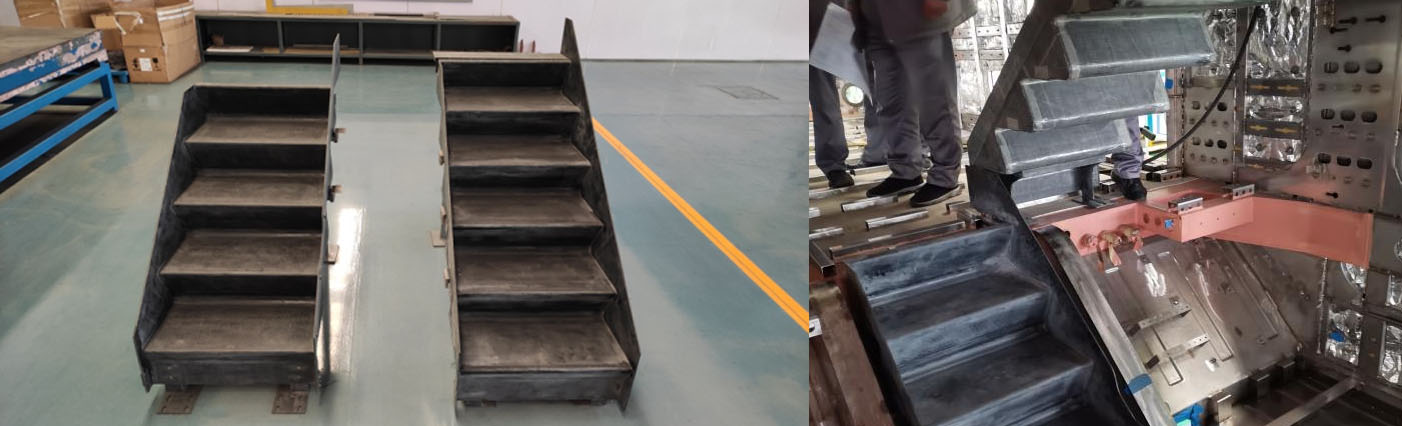
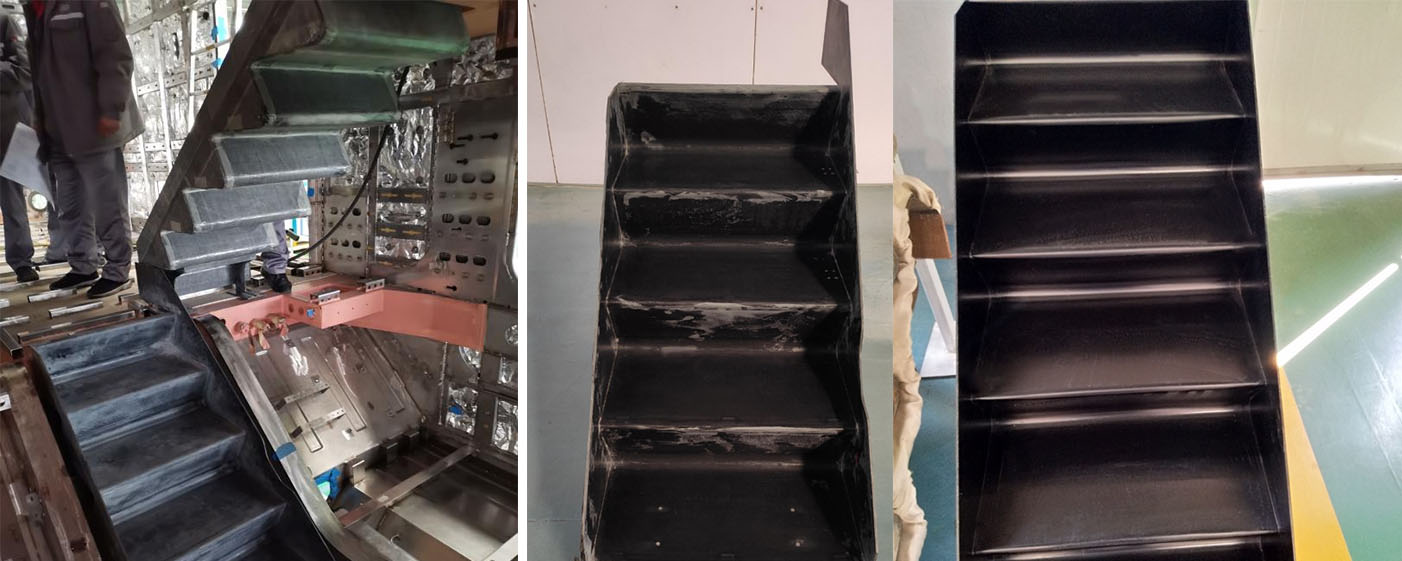
Composite material staircases are used in double-decker passenger cars. The original structure was a stainless steel sheet metal welded structure. To reduce weight, it has been replaced with a composite material structure. The staircase structure must meet the load requirements based on the maximum standing load assumption: when a 95th percentile male is standing, the safety factor shall not be less than 2.0. The designed service life of the structure is 30 years.
The components of the staircase should be able to withstand 8g in the warp direction, 4g in the vertical direction, and 4g in the horizontal direction. The smoke and toxicity performance complies with BBS-7239. At the same time, it has good fatigue resistance.
The original stainless steel metal structure weighs approximately 59kg, while the composite material structure of the lower staircase weighs approximately 18kg, achieving a 69% weight reduction.